" height="31.24706260921927px" id="nbJgwzqVl" transform="translate(0 0.753)" width="19.57646915609603px"/><path d="M 0 9.964 C 0 4.127 3.418 0 9.783 0 C 16.148 0 19.743 4.186 19.743 9.964 L 19.743 21.283 C 19.743 27.061 16.148 31.247 9.783 31.247 C 3.418 31.247 0 27.12 0 21.283 Z M 7.838 9.551 L 7.838 21.755 C 7.838 23.465 8.663 24.526 9.901 24.526 C 11.138 24.526 11.963 23.465 11.963 21.755 L 11.963 9.551 C 11.963 7.723 11.138 6.721 9.901 6.721 C 8.663 6.721 7.838 7.723 7.838 9.551 Z" fill="rgb(255, 255, 255)" height="31.247058794077702px" id="KjHS4S5x_" stroke-dasharray="" stroke-linecap="butt" stroke-linejoin="miter" stroke-miterlimit="10" stroke-width="0.38" stroke="rgb(255, 255, 255)" transform="translate(16.313 0.753)" width="19.74260705882354px"/><path d="M 0 9.964 C 0 4.127 3.418 0 9.783 0 C 16.148 0 19.743 4.186 19.743 9.964 L 19.743 21.283 C 19.743 27.061 16.148 31.247 9.783 31.247 C 3.418 31.247 0 27.12 0 21.283 Z M 7.838 9.551 L 7.838 21.755 C 7.838 23.465 8.663 24.526 9.901 24.526 C 11.138 24.526 11.963 23.465 11.963 21.755 L 11.963 9.551 C 11.963 7.723 11.138 6.721 9.901 6.721 C 8.663 6.721 7.838 7.723 7.838 9.551 Z" fill="rgb(7, 59, 58)" height="31.247058794077702px" id="MG5ESk6qo" transform="translate(17.762 0.753)" width="19.74260705882353px"/><path d="M 0 1.882 C 0 0.843 0.843 0 1.882 0 L 19.576 0 C 20.616 0 21.459 0.843 21.459 1.882 L 21.459 6.024 L 0 6.024 Z" fill="rgb(255, 255, 255)" height="6.023529411764706px" id="Wezeqb1qb" transform="translate(7.906 25.976)" width="21.458823529411763px"/></svg>)
Why Beauty Brand Packaging Fails Before Anyone Reads a Word
Beauty packaging loses sales not because the copy is weak, but because the visual design fails first. Colour, structure, and shelf presence trigger snap judgements in seconds. This post breaks down the specific mistakes that cost beauty brands sales before a word is ever read. Most beauty packaging fails the moment a shopper's eyes land on it. The colour sends the wrong signal, the structure looks cheap, or the design blends into a wall of competitors. The decision is already made, and no headline claim can undo it.
The Decision Happens Before the Reading
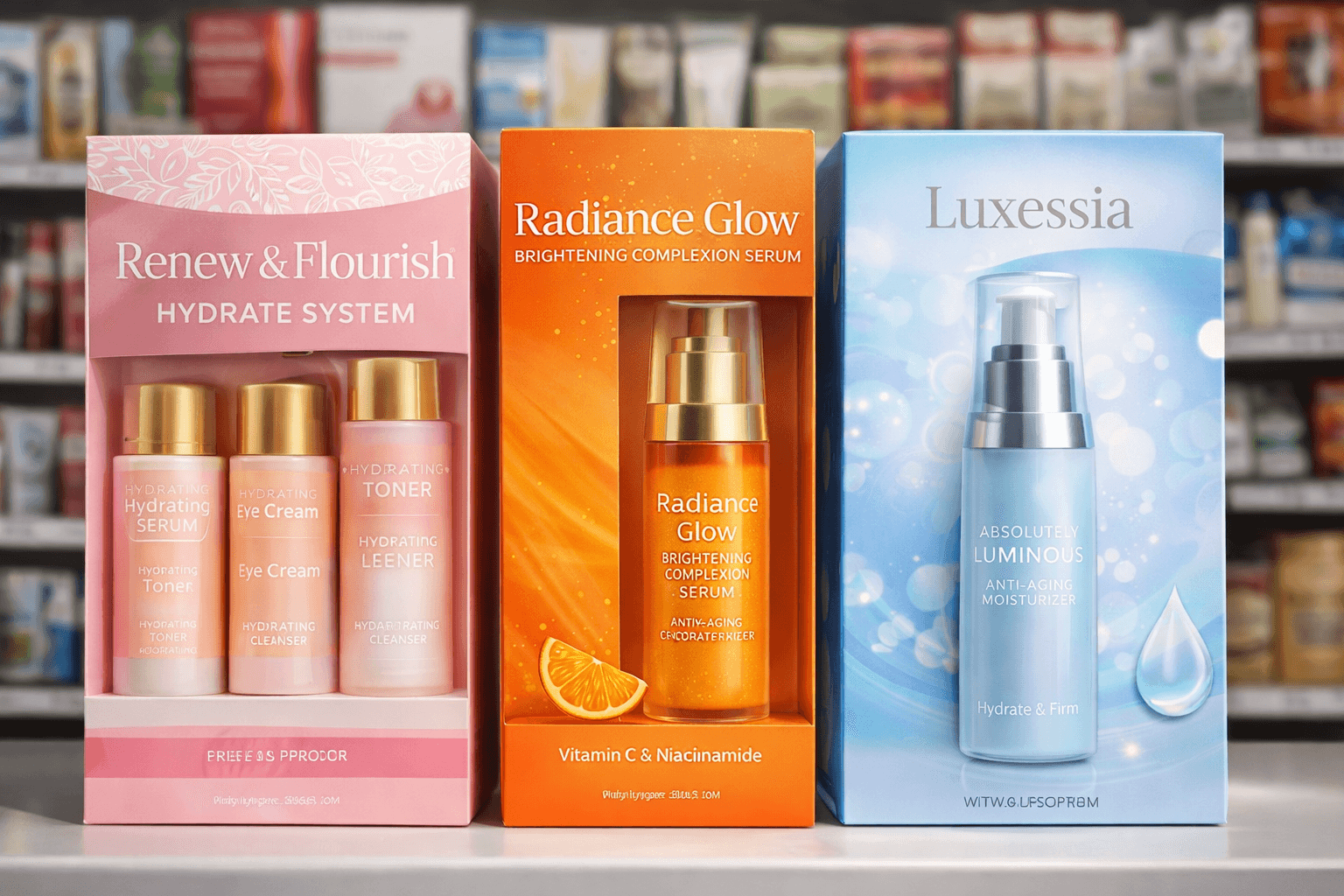
Research consistently shows that around 70% of purchase decisions are made at the point of sale, with shoppers spending just seconds deciding whether to pick something up or move on. In a crowded beauty aisle, your packaging has no warm-up time and no second chance.
Most brands misunderstand the brief here. They treat packaging as a surface to communicate on rather than a signal to communicate through. According to Springer Nature research on cosmetic branding, colour, shape, imagery, and material form the first layer of brand perception. Copy and claims come second. By the time someone is reading, they have already decided whether this product feels right.
That gap is where packaging fails.
Colour Gets It Wrong First
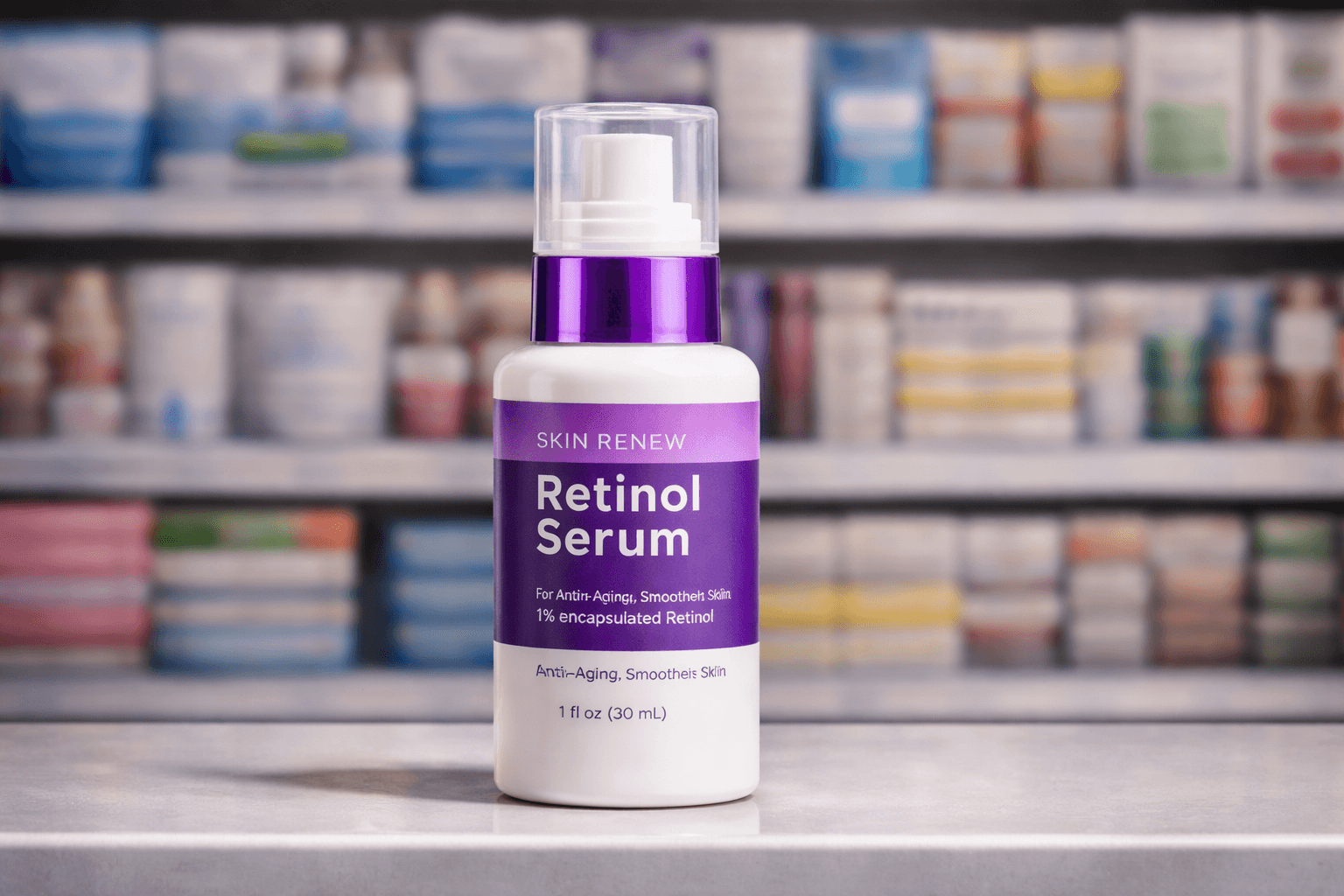
Colour is not decoration — it is communication. When a beauty brand uses colour that clashes with its positioning or category expectations, the packaging actively misleads the shopper. They may not know why it feels wrong. But they move on.
Visual stimuli account for around 80% of how the brain processes the world, which makes colour the fastest-acting element on pack. Before a shopper reads your product name, they have already mapped your palette against their expectations. Luxurious? Clinical? Eco-conscious? Colour answers all of it in a fraction of a second.
The mistakes come in two forms. First, colour that fights the category — a clinical skincare brand in warm ochres will read as confusing next to its white and sage competitors. Second, colour that blends in entirely. A brand that mirrors its category's palette disappears, even when the product itself is genuinely different.
The right question is not "does this colour look good?" It is "does this colour do a job?"
Structure Signals Quality Instantly
The physical form of your packaging communicates quality, price point, and brand character before a single ingredient is read. A cheap-feeling bottle undermines a premium formula. A poorly proportioned jar reads as careless. These are brand decisions being treated as procurement decisions.
Shoppers pick things up. They feel weight, notice whether a lid closes cleanly, register whether a pump dispenses with precision. These signals inform their entire perception of product quality — often overriding what is actually inside the pack.
One common failure: a tall bottle designed to look premium but with a fill line that sits frustratingly low — giving the impression of far less product than expected. That mismatch between visual promise and perceived value erodes trust immediately.
Structure is a contract with the shopper. If the promise it makes is not carried through the full product experience, confidence breaks down.
Looking Like Everyone Else Is Its Own Failure
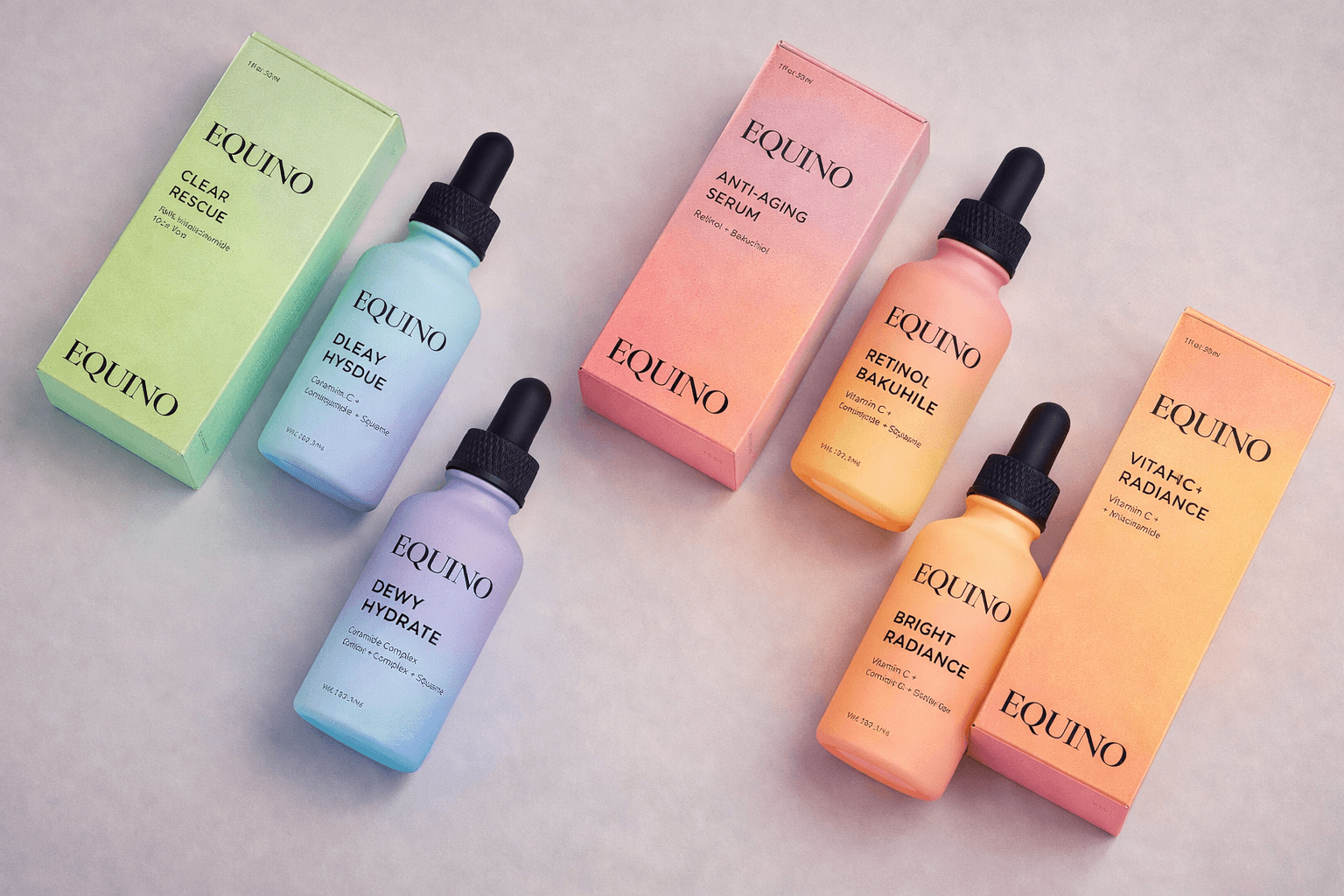
Generic beauty packaging does not just fail to attract attention — it actively damages the brand. When a product blends into the visual noise of its category, shoppers have no reason to choose it. No clever claim on pack can compensate for the absence of distinctiveness.
Research into packaging and consumer behaviour makes this clear: a sleek, minimalist design may look strong in isolation but can disappear entirely on a shelf packed with similarly sleek competitors. The beauty category is saturated with brands that have arrived at the same aesthetic conclusions.
Distinctiveness must also work across contexts. A design that earns shelf recognition in retail may fail entirely as a 200-pixel thumbnail online. And when colour, typography, and finish vary across a product range, shoppers cannot build the pattern recognition that drives loyalty. Brands that maintain visual consistency across their range create faster recognition and greater shelf presence, even without more space.
The Online Shelf Plays by Different Rules
Packaging designed for physical retail frequently fails online. The thumbnail on a screen rewards entirely different design choices than a product held in the hand. Brands designing for one context and ignoring the other are losing sales in channels they cannot afford to write off.
Physical retail rewards weight, finish, scale, and presence. Online rewards visual contrast, legibility at small sizes, and the ability to communicate something distinct in a glance. As BeautyMatter's 2026 packaging analysis notes, packaging that demonstrates value and novelty on camera consistently outperforms designs built only for shelf.
E-commerce requires brands to think beyond retail presentation — considering how packaging performs in transit, on a thumbnail, and in an unboxing moment. Brands that design for both contexts give their packaging the best possible chance across the full purchase journey.
Frequently Asked Questions
Why does beauty packaging fail even when the product is good?
Because the purchase decision happens before the product can prove itself. Shoppers use visual cues — colour, structure, material, finish — to decide whether something is worth their attention. If those cues are wrong or generic, the product never gets picked up.
What are the most common visual mistakes in beauty packaging?
Colour that mismatches the brand's positioning, structural choices that signal poor quality, fill volumes that look misleading, and design that is indistinguishable from competitors. Any one of these can lose a sale before a word is read.
Does packaging design affect perceived price and value?
Yes. Research on cosmetic consumer behaviour consistently shows that tactile and visual quality signals shape willingness to pay. A premium formula in weak packaging will be undervalued at the shelf.
Final Thoughts
At Sleeve Office, we have seen packaging design failures derail excellent beauty brands long before they reach their audience. The pattern is almost always the same: a brand that has invested in formula and brand story, but treated packaging as a late-stage production task. It is why the brands that win are those that make visual design the starting point, not the finishing line.
If your packaging is not working as hard as your product, get in touch with Sleeve Office. Let's work out what it should really be saying.