" height="31.24706260921927px" id="nbJgwzqVl" transform="translate(0 0.753)" width="19.57646915609603px"/><path d="M 0 9.964 C 0 4.127 3.418 0 9.783 0 C 16.148 0 19.743 4.186 19.743 9.964 L 19.743 21.283 C 19.743 27.061 16.148 31.247 9.783 31.247 C 3.418 31.247 0 27.12 0 21.283 Z M 7.838 9.551 L 7.838 21.755 C 7.838 23.465 8.663 24.526 9.901 24.526 C 11.138 24.526 11.963 23.465 11.963 21.755 L 11.963 9.551 C 11.963 7.723 11.138 6.721 9.901 6.721 C 8.663 6.721 7.838 7.723 7.838 9.551 Z" fill="rgb(255, 255, 255)" height="31.247058794077702px" id="KjHS4S5x_" stroke-dasharray="" stroke-linecap="butt" stroke-linejoin="miter" stroke-miterlimit="10" stroke-width="0.38" stroke="rgb(255, 255, 255)" transform="translate(16.313 0.753)" width="19.74260705882354px"/><path d="M 0 9.964 C 0 4.127 3.418 0 9.783 0 C 16.148 0 19.743 4.186 19.743 9.964 L 19.743 21.283 C 19.743 27.061 16.148 31.247 9.783 31.247 C 3.418 31.247 0 27.12 0 21.283 Z M 7.838 9.551 L 7.838 21.755 C 7.838 23.465 8.663 24.526 9.901 24.526 C 11.138 24.526 11.963 23.465 11.963 21.755 L 11.963 9.551 C 11.963 7.723 11.138 6.721 9.901 6.721 C 8.663 6.721 7.838 7.723 7.838 9.551 Z" fill="rgb(7, 59, 58)" height="31.247058794077702px" id="MG5ESk6qo" transform="translate(17.762 0.753)" width="19.74260705882353px"/><path d="M 0 1.882 C 0 0.843 0.843 0 1.882 0 L 19.576 0 C 20.616 0 21.459 0.843 21.459 1.882 L 21.459 6.024 L 0 6.024 Z" fill="rgb(255, 255, 255)" height="6.023529411764706px" id="Wezeqb1qb" transform="translate(7.906 25.976)" width="21.458823529411763px"/></svg>)
The Power of Touch: How Sensory Packaging Design and Haptics Drive Consumer Purchase Decisions
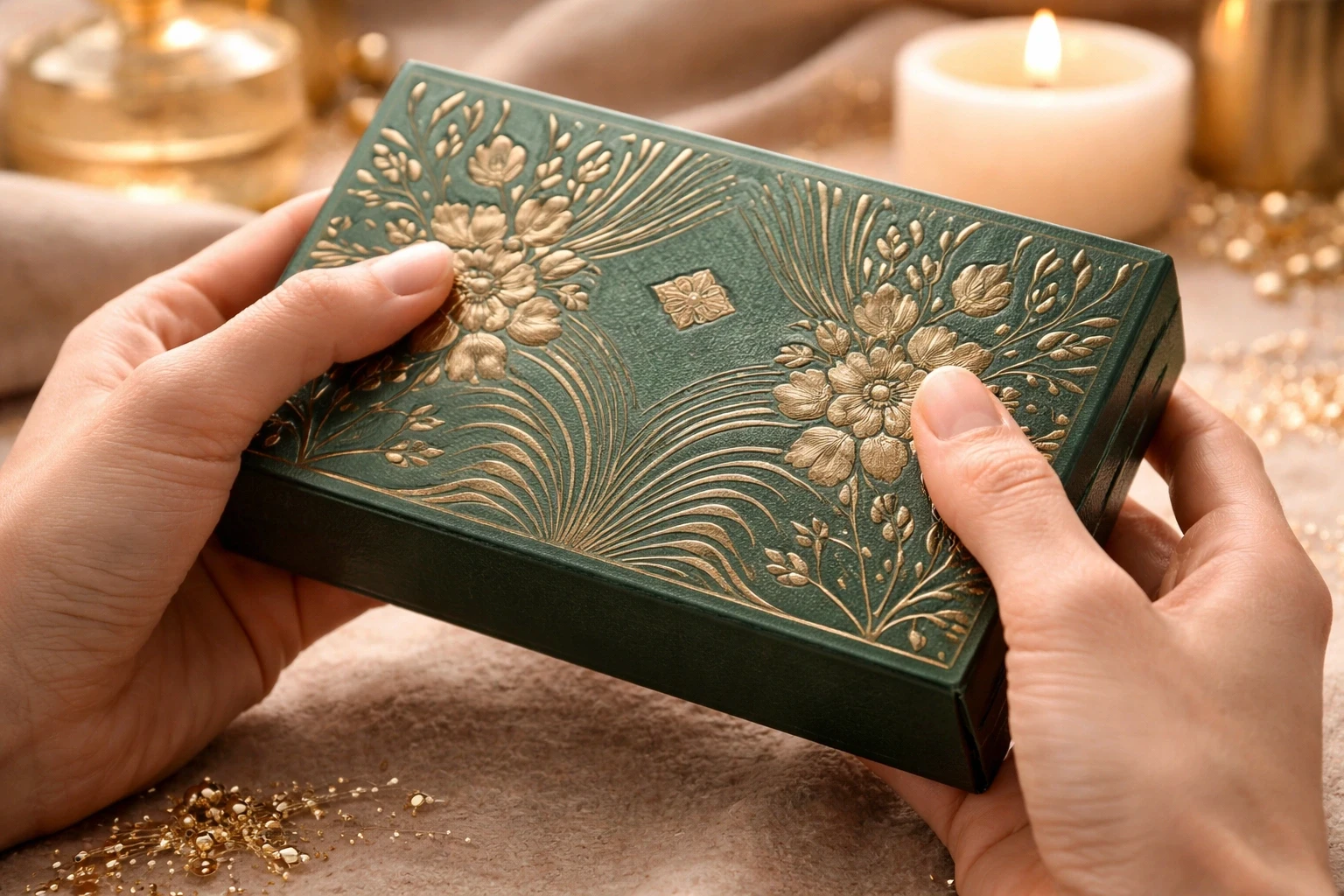
Touch is the sense most brands ignore in packaging design, yet it is one of the most powerful drivers of purchase decisions. Research shows that physical interaction with packaging increases purchase likelihood dramatically, with the right tactile cues signalling quality, trust, and even ownership before a product is ever bought. This article unpacks the science and shows how to put it to work. Walk into any retail space and watch what happens. People look, yes. But then they reach out and touch. They pick things up, turn them over, compare the weight of two similar products. That instinct is not random. It is how the brain gathers information it cannot get from sight alone. Sensory packaging design, which is the deliberate use of texture, weight, surface finish, and material feel, is one of the most commercially effective tools in branding. Yet most brands still treat packaging as a visual-only medium. That is a significant missed opportunity.
Why Touch Is the Most Powerful Sense in Retail
Touch is the sense that closes the sale. While visual design attracts attention and draws shoppers in, research consistently shows that physical interaction with a product increases purchase intent in ways that sight alone cannot replicate.
This is grounded in a well-established behavioural phenomenon: psychological ownership. When consumers hold or touch a product, even briefly, they begin to mentally claim it as theirs. That subtle sense of ownership makes a purchase feel less like a transaction and more like completing something they have already started. Packaging and label design play a critical role in triggering this response. Textures, foils, and die-cuts do not just attract attention, they invite the kind of physical engagement that starts the ownership effect.
There is broader neuroscience supporting this too. The more senses a product stimulates, the stronger the emotional connection, the more memorable the brand encounter, and the more positive the purchasing bias. Engaging multiple senses can even trigger dopamine responses, turning a routine shelf interaction into a genuinely pleasurable brand moment.
The practical implication is straightforward: your packaging is not just a container. It is an active participant in the decision to buy.

The Psychology Behind Haptics and Purchase Decisions
Haptics (the study of touch and tactile perception) is the discipline that explains exactly how and why physical packaging cues influence behaviour. The evidence base is substantial and commercially relevant for any brand selling physical products.
A study by Sappi and Clemson University's packaging science programme found that simply touching premium packaging twice made shoppers 50% more likely to purchase a product. Touch it four times, and that likelihood rose to 90%. The numbers are remarkable, but the mechanism behind them is not complicated. Extended handling time deepens emotional engagement, and emotionally engaged shoppers are buyers.
The mechanism is also known as the Endowment Effect: when people physically touch an item, they begin to develop a subconscious sense of ownership, which makes them significantly more likely to purchase it. Packaging that invites touch, through raised texture, interesting weight, or satisfying structural details, extends that interaction and deepens the connection.
A 2023 neuromarketing study on wine labels by UPM Raflatac reinforced this further. Consumers showed a clear preference for labels printed on embossed paper with a tactile relief, and smooth finishes combined with surface texture were rated as especially compelling. Premium haptic finishes were directly interpreted as signals of quality. This happened not because consumers consciously reasoned through it, but because the brain makes those associations quickly and automatically.
This points to something important for brand owners: around 95% of purchasing decisions are driven by subconscious emotional processing. Texture is not decoration. It is communication, delivered in a language the brain processes before the conscious mind has had a chance to form an opinion.
Tactile Finishes That Signal Quality (and How to Use Them)
Not all tactile packaging does the same thing. Different finishes send different signals, and the goal is always haptic congruence, ensuring the physical feel of the packaging matches the brand's positioning and product promise.
Research on texture in luxury packaging has found that tactile elements can increase perceived value by up to 70% compared to visually identical products in standard packaging. That is a significant commercial upside for a relatively targeted design investment.
Here is how the main tactile tools translate to brand perception:
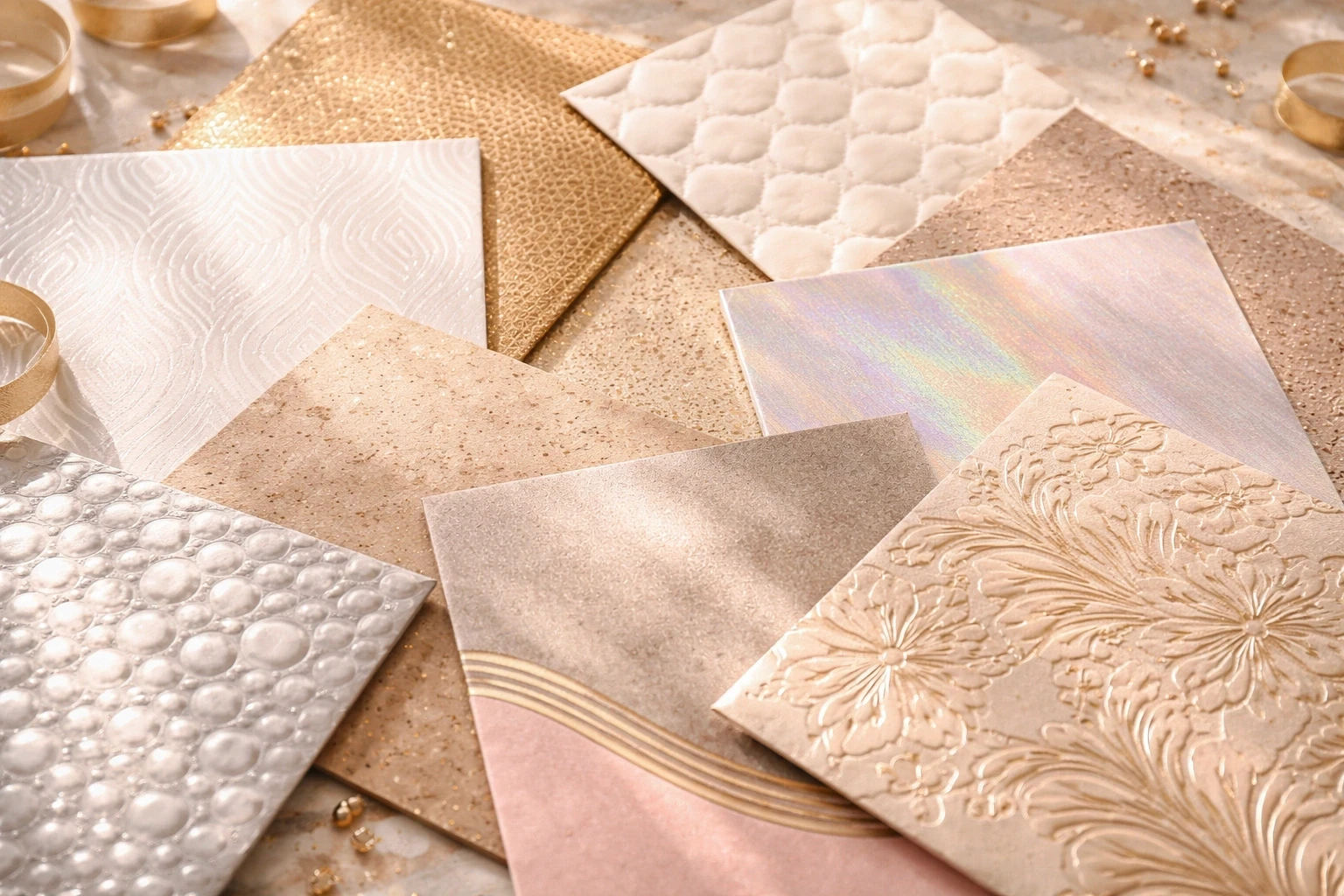
Embossing and debossing create raised or recessed surfaces that communicate dimension and craft. They are strongly associated with luxury and premium positioning, and work especially well for brand marks and key visual elements where you want the consumer's fingertip to linger.
Soft-touch coatings deliver a matte, velvety surface that feels sophisticated and considered. They are increasingly used in skincare, personal care, and premium food and drink, where the feel of the pack should mirror the feel of the product inside.
Foil stamping signals prestige. The reflective quality draws the eye, but the subtle temperature difference and tactile contrast with the surrounding material engage touch. Consumers associate metallic finishes with quality and exclusivity, and research confirms they interpret them that way.
Textured papers and boards provide a natural, artisanal quality that communicates craft and care. Uncoated or lightly textured stock is particularly effective for brands built on transparency, sustainability, or heritage values.
Spot UV and gloss contrast finishes create zones of visual and tactile interest, glossy set against matte, that encourage the eye and hand to explore the pack. They work well for drawing attention to specific brand elements or creating premium moments within accessible packaging.
A premium skincare brand that introduced digital velvety film finishes reported a 40% increase in shelf standout, and that is not unusual. When the right tactile cue is matched to the right audience, the results are measurable.
The key principle: the finish should feel like what the brand is. A wellness brand should feel calm and considered. A luxury fragrance should feel rare and weighty. An eco-conscious product should feel honest and unprocessed. When the haptic signal and the brand story align, consumers trust the product before they have read a word.
How Sensory Packaging Fuels Unboxing Culture
The commercial case for sensory packaging design has been amplified enormously by social media. Unboxing has become a genuine content format, and the physical experience of unpacking a product, from the sounds and textures to the materials and layers of reveal, is now part of the brand's marketing reach.
TikTok videos using the #unboxing hashtag have accumulated over 43 billion views. YouTube unboxing searches exceed 90,000 per month. These are not passive views. They are prospective customers conducting tactile research at a distance, watching for the cues that tell them a product is worth paying for.
When packaging is designed with sensory intention, it does not just perform in-store. It becomes shareable content that consumers create and distribute voluntarily, extending the brand's reach without additional media spend. The brands winning in this space understand that the box is not the afterthought. It is the show.
Brands like Apple, Glossier, and Fenty Beauty have built enormous secondary awareness through this mechanism. Glossier's cloud-themed bath and body launch used soft-touch tissue, puff-print textures, and a peel-and-reveal tab that released fragrance, a multi-sensory reveal engineered specifically to create content moments. Rare Beauty used linen-wrapped inserts and a purpose-designed suitcase box to generate millions of organic views tied to product launches.
These are not accidents. They are the result of treating packaging as an experience designed for both the person holding it and the millions who will watch them hold it online.
For founders and brand owners, the question shifts from "what does our packaging look like?" to "what does it feel like, and what does it make people want to do?"
Balancing Sensory Design With Sustainability
One of the most common concerns we hear from brand owners is whether premium tactile packaging is compatible with a genuine commitment to sustainability. It is a fair question, and the answer requires some nuance.
The tension is real. Heavier packaging, complex finishes, and specialist laminates can conflict with recyclability. But the idea that sensory design and sustainability are mutually exclusive is increasingly outdated.
The materials science behind haptic packaging is advancing rapidly. Brands are now designing uncoated and textured recycled boards, plant-based soft-touch finishes, and mono-material structures that retain premium haptic qualities without compromising recyclability. The challenge for designers is ensuring that the haptic cues used genuinely reflect the brand's sustainability story not contradict it. Kraft finishes and raw, natural textures are powerful signals of authenticity and environmental care when they are backed by genuine material choices.
Research from Future Market Insights in 2024 suggests that brands incorporating textural upgrades see an average sales uplift of around 29% with an 18% lower cost-per-unit compared to traditional handcrafted alternatives, thanks to advances in digital haptic printing. This means the business case for tactile design is strengthening even as the technology becomes more sustainable.
The practical guidance: let your tactile choices be consistent with your brand values. If your brand is committed to sustainability, your packaging should feel like it honest, minimal, and considered. If you are positioning in the luxury segment, weight and precision are your friends. The wrong finish for your brand is more damaging than no finish at all.
Frequently Asked Questions
What is haptic packaging design?
Haptic packaging design is the intentional use of tactile elements texture, weight, surface finish, and material feel to influence how consumers perceive a product and brand. Rather than relying on visual cues alone, haptic design engages the sense of touch to signal quality, build trust, and encourage purchase. Common techniques include embossing, soft-touch coatings, foil stamping, and textured papers.
How does touch influence purchase decisions?
Physical interaction with packaging triggers a psychological phenomenon called the Endowment Effect consumers who touch a product begin to feel a subconscious sense of ownership, which increases the likelihood they will buy. Research by Sappi and Clemson University found that touching premium packaging twice made consumers 50% more likely to purchase, rising to 90% with four touches. Because the majority of purchase decisions are emotionally driven and largely subconscious, tactile cues can be more influential than rational product information.
What tactile finishes signal premium quality?
Embossing, debossing, soft-touch matte coatings, foil stamping, and textured boards are all proven to increase perceived product quality and brand prestige. The most effective approach is haptic congruence ensuring the finish matches your brand positioning. A wellness brand should feel calm and natural; a luxury product should feel rare and substantial. Misaligned tactile cues can undermine brand trust as quickly as good ones can build it.
Is sensory packaging design only relevant for luxury brands?
No. While luxury brands have led the adoption of haptic design, the principles apply across categories. Food and drink brands, health and beauty, homeware, gifting, and e-commerce all benefit from tactile packaging that invites physical engagement. The specific finishes and materials used will differ, but the underlying mechanism touch builds connection, connection drives purchase is universal.
How does packaging affect unboxing and social media performance?
Well-designed sensory packaging is inherently shareable. The combination of tactile materials, considered structure, and satisfying reveal mechanics creates a physical experience that consumers naturally want to document and share. With #unboxing videos generating over 43 billion views on TikTok alone, brands that invest in the physical experience of their packaging gain organic reach that no media budget can fully replicate.
Final Thoughts
Packaging is often the last communication a brand controls before a consumer decides to buy and the first communication a new customer experiences after they do. Getting the physical feel of that communication right is not an aesthetic luxury. It is a commercial decision.
At Sleeve Office, we have seen sensory packaging design affect how brands perform at shelf in ways that purely visual work simply cannot replicate. The brands that invest in how their packaging feels, not just how it looks, consistently generate stronger shelf engagement and more confident purchase decisions. It is why we treat tactile design as a commercial tool, not a finishing touch. If you want packaging that works as hard as the product inside it, get in touch and let's talk about your project.