" height="31.24706260921927px" id="nbJgwzqVl" transform="translate(0 0.753)" width="19.57646915609603px"/><path d="M 0 9.964 C 0 4.127 3.418 0 9.783 0 C 16.148 0 19.743 4.186 19.743 9.964 L 19.743 21.283 C 19.743 27.061 16.148 31.247 9.783 31.247 C 3.418 31.247 0 27.12 0 21.283 Z M 7.838 9.551 L 7.838 21.755 C 7.838 23.465 8.663 24.526 9.901 24.526 C 11.138 24.526 11.963 23.465 11.963 21.755 L 11.963 9.551 C 11.963 7.723 11.138 6.721 9.901 6.721 C 8.663 6.721 7.838 7.723 7.838 9.551 Z" fill="rgb(255, 255, 255)" height="31.247058794077702px" id="KjHS4S5x_" stroke-dasharray="" stroke-linecap="butt" stroke-linejoin="miter" stroke-miterlimit="10" stroke-width="0.38" stroke="rgb(255, 255, 255)" transform="translate(16.313 0.753)" width="19.74260705882354px"/><path d="M 0 9.964 C 0 4.127 3.418 0 9.783 0 C 16.148 0 19.743 4.186 19.743 9.964 L 19.743 21.283 C 19.743 27.061 16.148 31.247 9.783 31.247 C 3.418 31.247 0 27.12 0 21.283 Z M 7.838 9.551 L 7.838 21.755 C 7.838 23.465 8.663 24.526 9.901 24.526 C 11.138 24.526 11.963 23.465 11.963 21.755 L 11.963 9.551 C 11.963 7.723 11.138 6.721 9.901 6.721 C 8.663 6.721 7.838 7.723 7.838 9.551 Z" fill="rgb(7, 59, 58)" height="31.247058794077702px" id="MG5ESk6qo" transform="translate(17.762 0.753)" width="19.74260705882353px"/><path d="M 0 1.882 C 0 0.843 0.843 0 1.882 0 L 19.576 0 C 20.616 0 21.459 0.843 21.459 1.882 L 21.459 6.024 L 0 6.024 Z" fill="rgb(255, 255, 255)" height="6.023529411764706px" id="Wezeqb1qb" transform="translate(7.906 25.976)" width="21.458823529411763px"/></svg>)
Beyond the Prompt: Why Artisanal Packaging Trends Are the New Gold Standard for Premium Brands
In a saturated market, most packaging tries too hard. Over-rendered, over-polished, and thoroughly focus-grouped until every trace of personality is gone. Artisanal packaging takes the opposite approach. It leans into visible craft, honest materials, and design that feels like it came from someone with conviction rather than a committee. And it is working commercially in ways the data increasingly backs up. This is not just about aesthetics. It is about trust, perceived value, and the growing gap between brands that feel real and brands that feel manufactured.
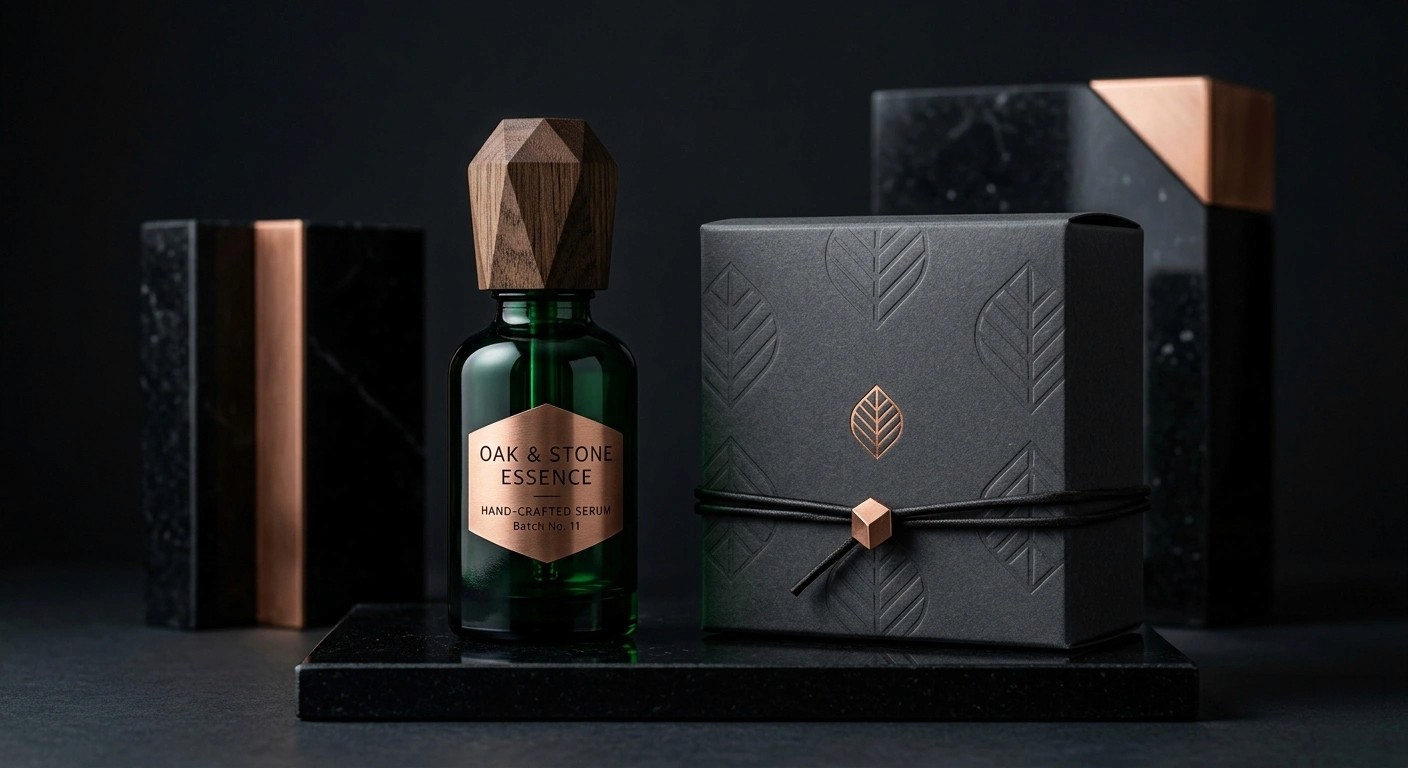
What We Mean by Artisanal Packaging
Artisanal packaging describes a design approach where visual and material choices signal craft, care, and human involvement. It does not mean rough or unfinished. It means deliberate.
Think hand-drawn illustration, uncoated or textured paper stock, letterpress printing techniques, vintage-inspired typography, and details like wax seals or handwritten batch numbers. The packaging feels like it belongs to a product made by people who care, not one optimised for shelf efficiency.
This aesthetic has been central to craft food and beverage for years, with gin distilleries, small-batch coffee roasters, and artisan chocolate brands building the visual language. What has changed is that the approach has migrated upmarket. Premium beauty, spirits, fashion accessories, and wellness brands are now drawing from the same design vocabulary.
Innova Market Insights found that around a quarter of global consumers are drawn specifically to handcrafted aesthetics and vintage design in packaging. That is not a niche audience. It is a meaningful commercial segment that skews toward precisely the premium, values-driven consumers most brands are competing for.
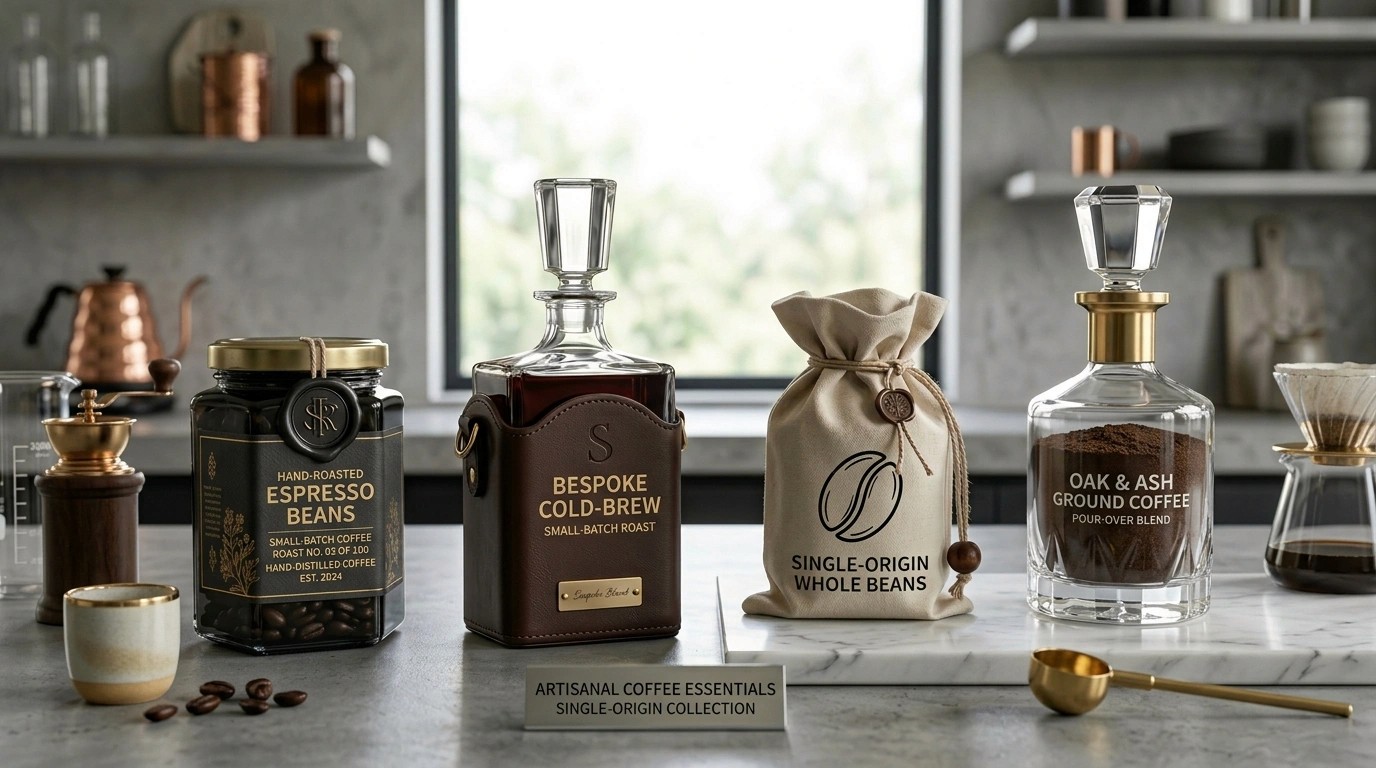
Why Authenticity Has Become a Commercial Advantage
Consumer trust in brands is at a historic low. Packaging is now one of the few places where a brand can communicate without being filtered or dismissed.
Research from Innova found that 31% of global consumers actively seek honesty and transparency when choosing brands, and 47% want company values clearly displayed on packaging. It is no longer enough to look good. Packaging has to feel real.
Artisanal design delivers this because it is, almost by definition, a rejection of corporate visual language. Industry analyst Andrew Gibbs has noted that authentically perceived designs are characterised by a complete departure from established corporate brand conventions. When packaging looks like it has not been through a global brand committee, consumers respond with more trust.
There is a financial case here too. A study referenced by Berlin Packaging found that simplicity in packaging correlates with consumers perceiving a product as worth more. For premium brands trying to justify their pricing, that is a significant structural advantage.
WestRock's research also found that 75% of consumers are more likely to buy from a brand with a strong narrative. Packaging is one of the most reliable places to tell that story.
The Key Design Signals That Read as Artisanal
Artisanal packaging works through accumulated cues. No single element makes the impression. It is the sum of choices that creates the feeling.
Material and texture do a large part of the work. Uncoated paper stock, kraft board, linen textures, and natural finishes signal a move away from high-gloss mass production. Premium brands consistently use materials that encourage physical interaction, because studies show that touching packaging can increase purchase intent.
Illustration and hand-drawn elements communicate that a human made a considered choice. According to Confetti Design, visible brushwork, rough sketches, and hand lettering make packaging feel made by a human, for a human. Gen Z in particular reads this as a signal of honesty.
Typography carries significant weight. Slab serifs, script fonts, and layouts that recall traditional print create an immediate sense of heritage. VistaPrint's 2026 packaging trend report highlights that fine linework and etching-style graphics give packaging an artisanal feel that connects to traditions of craft.
Small batch signals such as limited edition stamps, handwritten batch numbers, or a maker's signature create a sense of individual attention. A bottle of olive oil with a handwritten batch number or a candle tin stamped with a season feels bespoke. Consumers respond to the sense that someone, not something, put care into what they are holding.
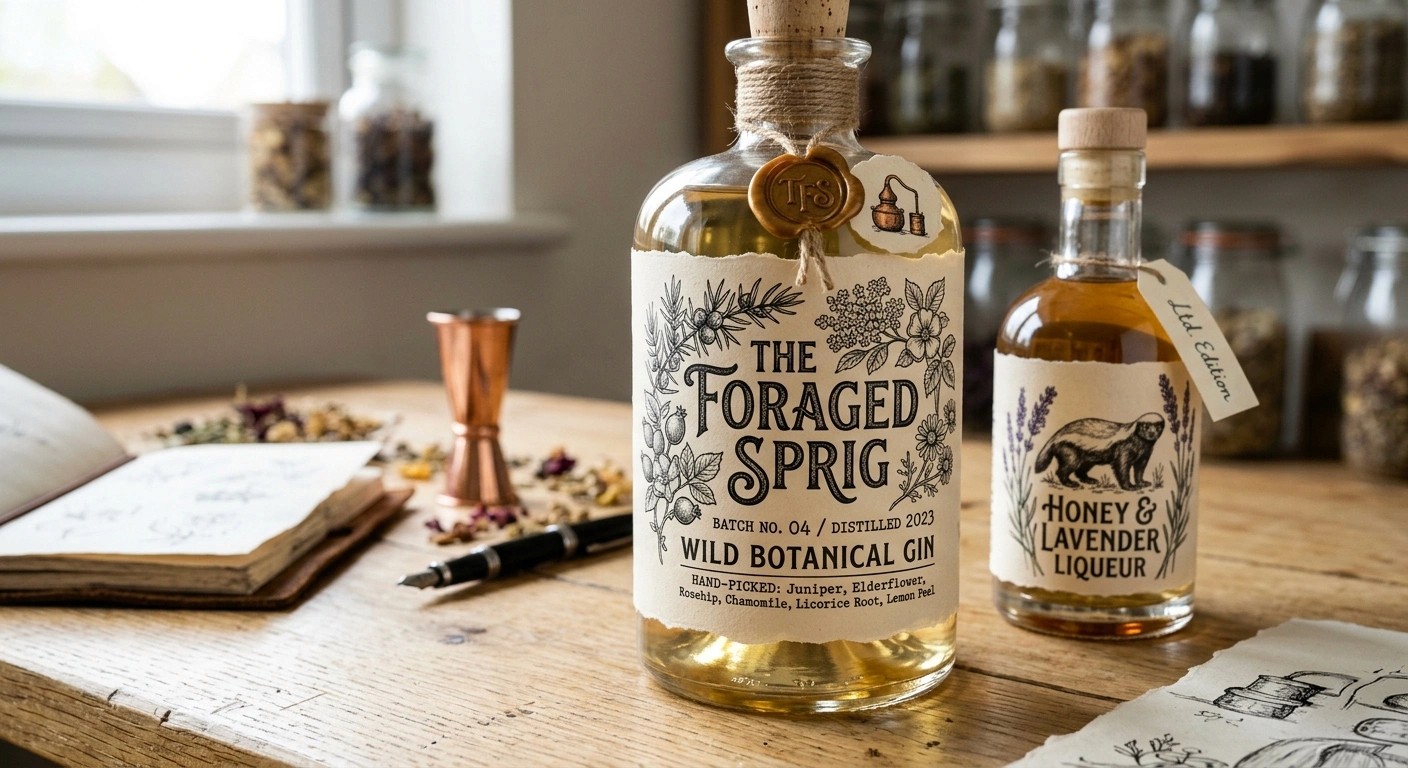
Premium Brands Getting It Right
The most successful examples of artisanal packaging share one quality: they feel specific. They are not generically crafty. They are rooted in the actual identity of the product.
Godawan 173, a premium Indian spirits brand, has each ceramic bottle individually shaped and hand-painted with cobalt designs inspired by Jaipur's Blue Pottery tradition. The result transforms a bottle into a collectible object, communicating heritage and rarity while commanding premium pricing in a crowded category.
Pizzeta's packaging translates Italian authenticity through fluid line illustrations of classic hand gestures on a clean blue background. It avoids tired pizza clichés entirely, using artisanal illustration to signal personality, warmth, and craft.
What these examples have in common is that the artisanal aesthetic is earned. The design signals match the actual product and production values. That alignment is what separates premium artisanal packaging from the kind of craft-cosplay that consumers immediately see through.
How to Balance Artisanal and Professional
The tension many premium brands face is real: artisanal cues can, if handled poorly, make a product look cheap or inconsistent. The goal is to feel human without looking amateurish.
The key principle is visual restraint with deliberate execution. Packaging design experts note that artisanal packaging should feel curated, not calculated. Any visible imperfection should be intentional, not accidental.
Material choices anchor everything else. Investing in uncoated or textured stock, soft-touch finishes, or embossed detail signals quality before the consumer registers any specific design element. Premium tactile coatings like soft-touch and velvet finishes are currently among the most sought-after finishing choices for brands at the upper end of their category.
Consistency across SKUs is essential. One artisanal-feeling product in a range of corporate-looking ones creates confusion, not equity. Establish a coherent visual language and carry it consistently.
Sustainability and artisanal design reinforce each other. Consumers associate hand-crafted aesthetics with smaller batches and more responsible production. McKinsey's 2025 global packaging survey found that a significant proportion of consumers are willing to pay more for sustainable packaging, with younger, higher-income consumers leading that intent.
Finally, artisanal packaging needs to work digitally. The best designs photograph beautifully and drive organic social sharing. For e-commerce brands, packaging is often the only physical brand touchpoint, which makes that investment even more important.
Frequently Asked Questions
Is artisanal packaging only suitable for small or independent brands?
Not at all. Some of the most successful artisanal packaging in market belongs to well-funded, established brands. The aesthetic signals craft and care, not small scale. What it requires is that the design feels consistent with the product's genuine values. Brands that build those values into their identity can benefit from the approach at any scale.
Will artisanal packaging put off consumers who associate it with higher prices?
The evidence suggests the opposite. Consumers drawn to artisanal cues tend to be exactly the segment most willing to pay a premium. They are buying into a story and a sense of individual care, and they expect to pay accordingly. The challenge is ensuring the product and brand actually deliver on what the packaging promises.
How do I avoid artisanal packaging looking inconsistent or amateur?
Hire a specialist. Artisanal packaging done well requires considerable skill because it has to appear effortless while being deliberately executed. The difference between packaging that looks considered and packaging that looks cheap comes down to the quality of illustration, paper stock, and finishing choices.
What product categories benefit most from artisanal packaging?
Food and beverage, spirits, beauty, personal care, home fragrance, and wellness products are seeing the strongest results. But the trend is spreading to premium stationery, confectionery, fashion accessories, and speciality coffee. The key question is whether your product has a story rooted in craft, origin, or values. If it does, artisanal packaging can tell it.
How does artisanal packaging translate to e-commerce?
Exceptionally well when done right. Textured finishes, hand-drawn details, and careful unboxing experiences photograph beautifully and drive organic social sharing. For e-commerce brands, packaging is often the only physical brand touchpoint, which makes the case for artisanal investment particularly strong.
Final Thoughts
Artisanal packaging is not a nostalgic trend or a small-brand concession. It is a commercially serious response to the way premium consumers make decisions. They are sceptical of gloss. They value transparency. They want to feel like the people behind their favourite products actually give a damn.
Great packaging communicates all of that before anyone reads a word.
At Sleeve Office, we have seen artisanal packaging affect how brands perform at shelf in a very specific way: the brands that gain the most traction are not the ones with the most elaborate craft details, but the ones whose design feels coherent from the first glance to the last touch. It is why the argument for artisanal design is really an argument for conviction. When a brand knows what it stands for, the packaging follows naturally. When it does not, no amount of textured stock will save it.
If you are ready to make your packaging do more commercial work, get in touch with the Sleeve Office team and let's talk about what that looks like for your brand.